Laser Cutting & Micromachining
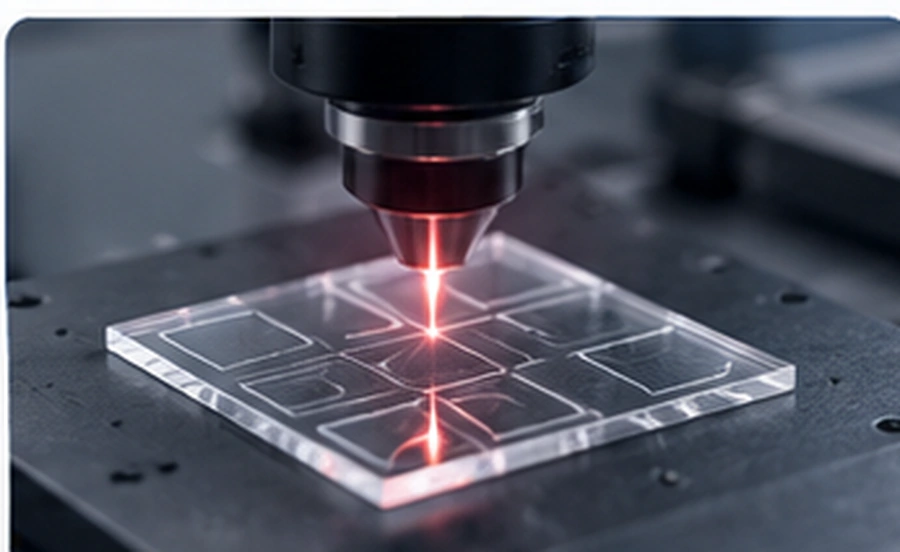
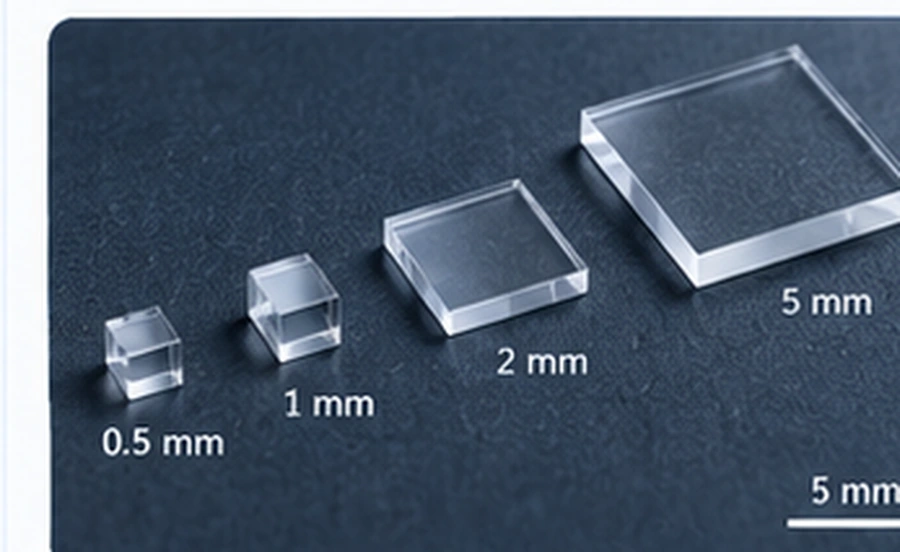
Precision cutting for thin plates, membranes, micro-cubes and custom outlines, including subdivision of larger crystals into multiple research samples.

Custom quantum diamond coordinates host purity, NV architecture, isotope composition, crystal orientation, geometry, surface chemistry and characterization as one material specification.
Custom quantum diamond is most useful when several parameters must be coordinated at the same time—for example shallow depth with a low-background host, a specific isotope, a {111} surface and defined surface chemistry.
Depth, density, isotope composition, strain, orientation, geometry and surface condition can all influence the final measurement. The material should be designed as a system.
Electronic-grade CVD or HPHT starting material with low unwanted nitrogen and defect background.
Single, shallow, ensemble, patterned array or compact cluster structures according to the experiment.
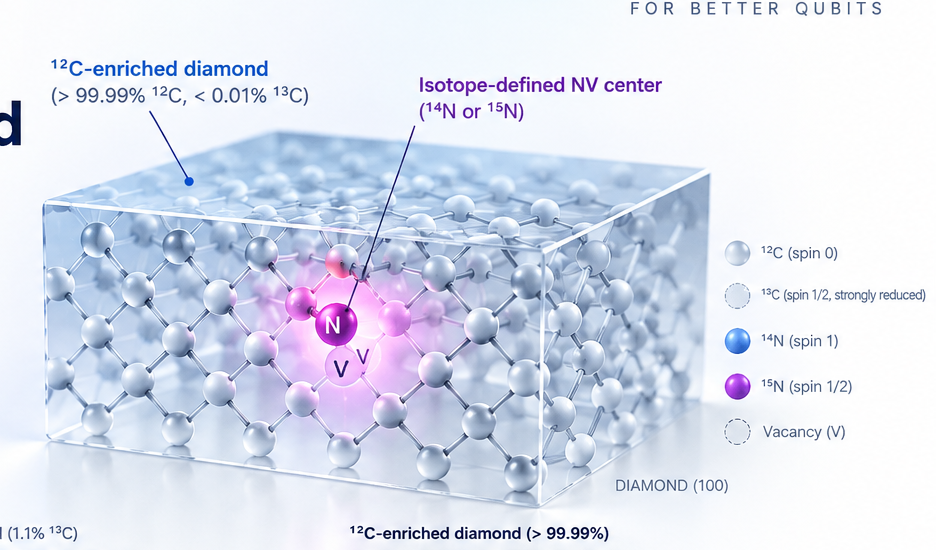
¹²C enrichment and controlled ¹⁴N / ¹⁵N incorporation for coherence-sensitive or isotope-defined structures.
Orientation, lateral size, thickness, chamfer/bevel, sidewall angle and side polishing can be project-specific.
Ultra-fine polishing, cleaning and hydrogen or oxygen termination for optical, sensing and device requirements.
Requested material and spin characterization can be coordinated with the project specification.
Complete post-growth processing for experiment-ready diamond components—from laser cutting and ultra-precision polishing to orientation control, thinning and micro-scale sample preparation.
Nova supports custom size, shape, orientation and surface preparation while maintaining material quality and tight dimensional control.
Precision cutting for thin plates, membranes, micro-cubes and custom outlines, including subdivision of larger crystals into multiple research samples.

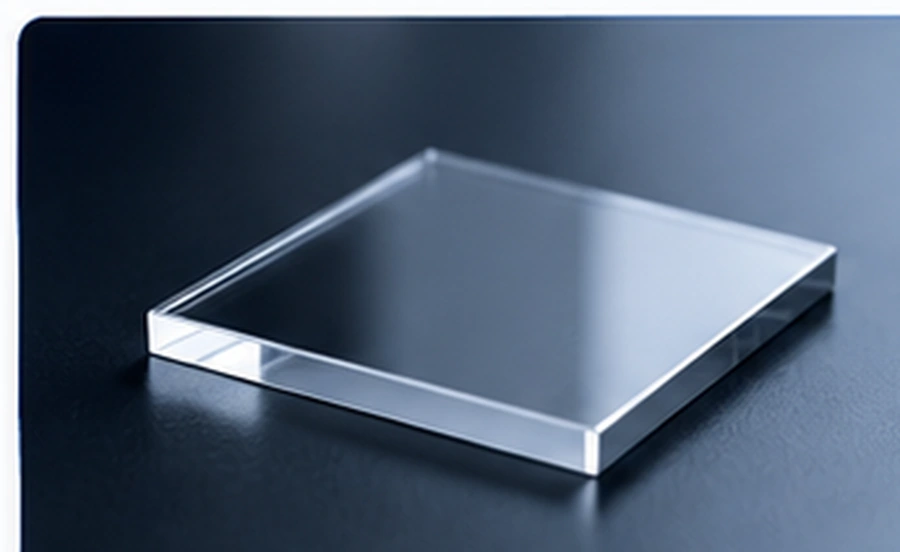
Top, bottom and side polishing for optical- and quantum-grade surfaces. Side faces can also be polished for resonator, maser and device-integration geometries.

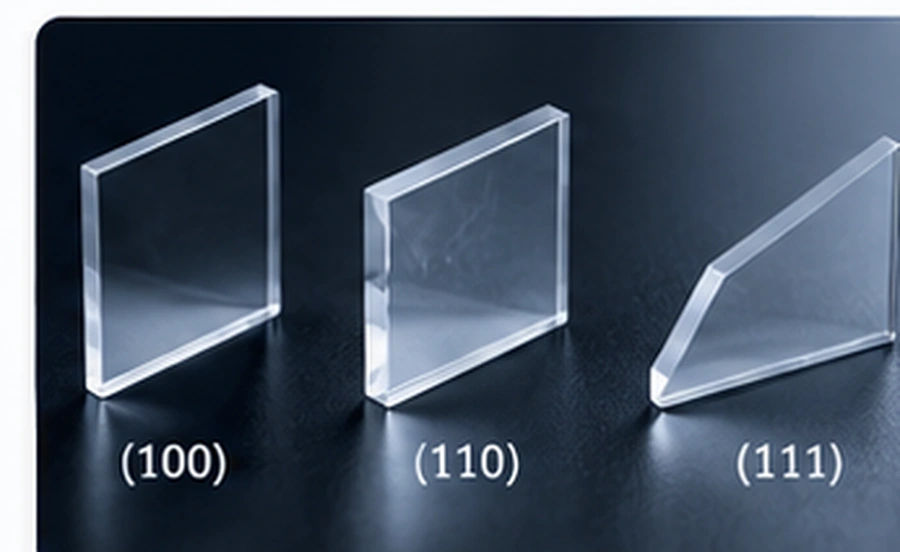
Controlled cutting to obtain {100}, {110}, {111} and other orientations, followed by thinning, dimensional finishing, chamfer, bevel and sidewall-angle control.

Fabrication of compact samples for quantum optics, micro-resonators, hybrid systems and method development, including sub-millimeter cubes, thin plates and custom geometries.

These are representative starting configurations. Final ranges and deliverables are confirmed project by project.

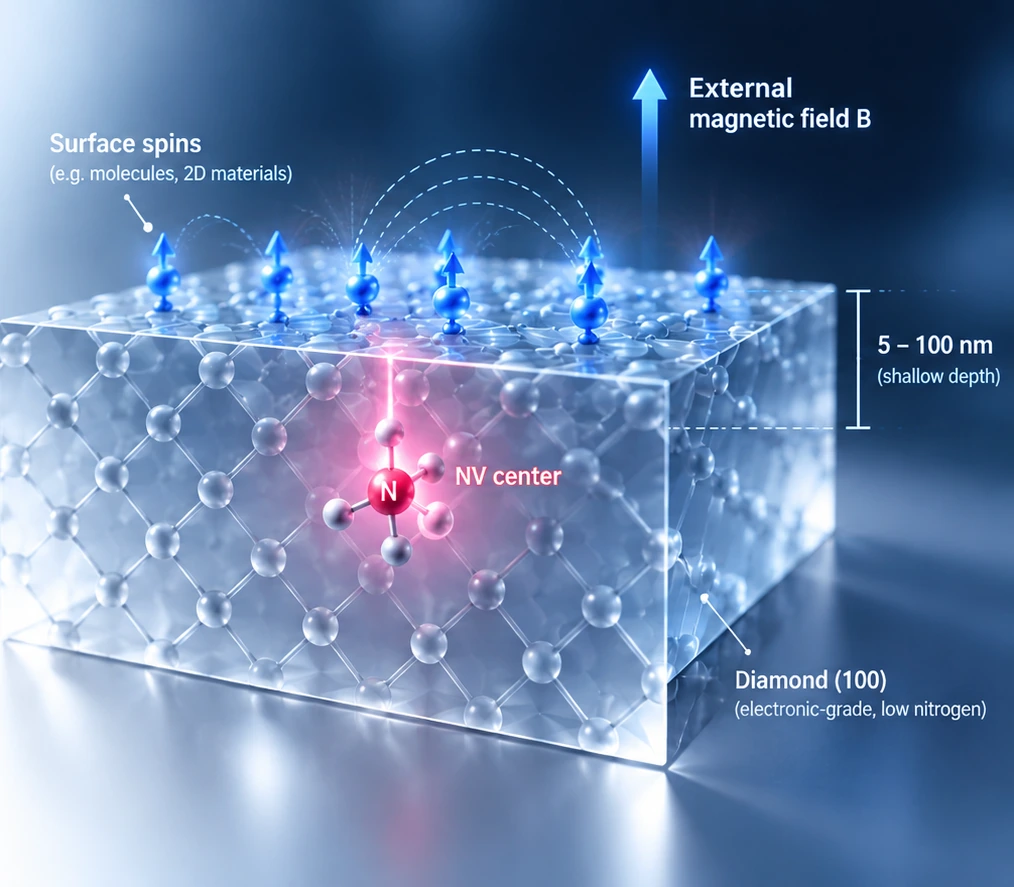
Low-background host, engineered near-surface NV depth and surface preparation for nanoscale sensing or NMR.
5–100 nm · H/O
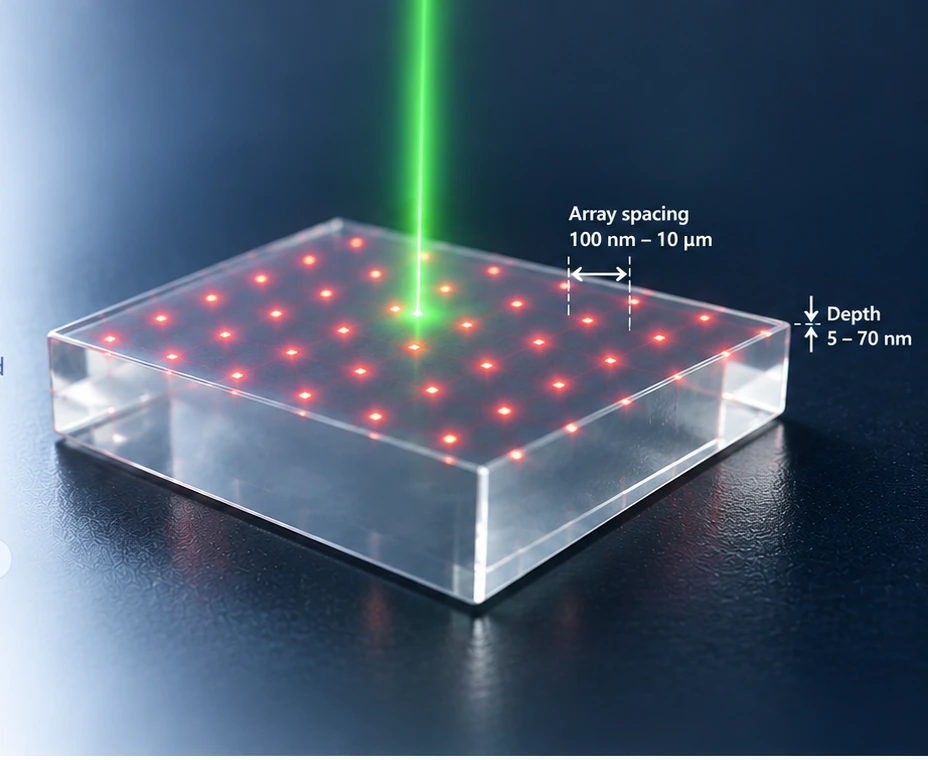
Position-defined NV sites, custom spatial pattern, ensemble pixels or compact NV clusters for interaction studies.
5–70 nm · cluster 20–500 nm
¹²C-enriched material with engineered ¹⁴N / ¹⁵N incorporation and a custom active layer.
¹²C > 99.99% · 1–20 μm
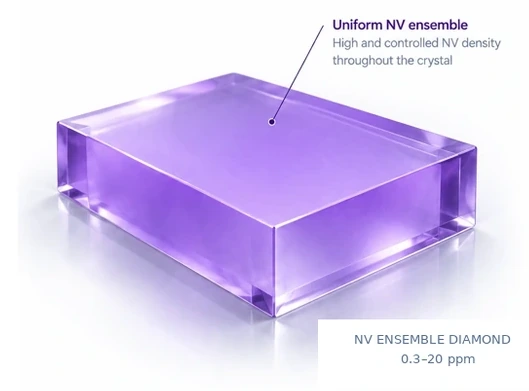
Uniform high-density ensemble material with custom size, thickness, side geometry and polished faces for device integration.
0.3–20 ppm · up to ~10 mm typical
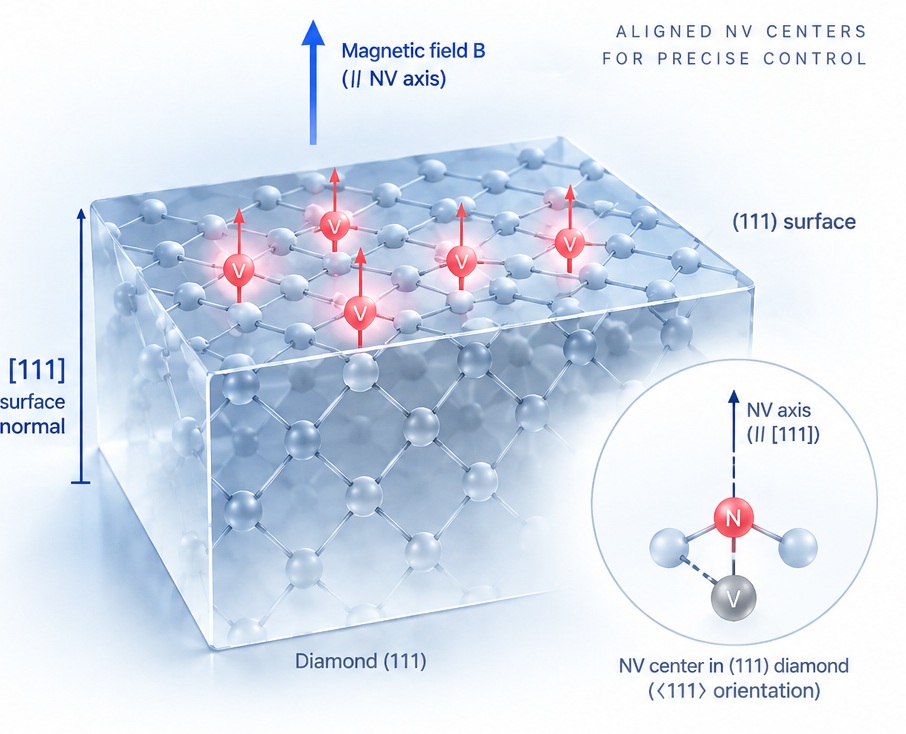
{111}-oriented host, NV layer or ensemble when surface-normal NV alignment and magnetic-field geometry are important.
{111} · custom NV architectureA custom project starts with the experimental constraint. Nova then translates it into a coordinated host, NV, isotope, geometry, surface and verification plan.
INPUTHOSTNVFORMBUILDVERIFYThe values below are representative capabilities and product families already used across Nova's quantum-diamond platform. Final feasibility depends on the combined configuration.
Custom engineering is especially useful when quantum performance depends on several coupled material parameters.
Coordinate shallow depth, host purity and surface chemistry around near-field coupling.
Engineer uniform ensemble density, active volume and optical geometry for imaging.
Coordinate ensemble concentration with crystal size, thickness, side angle and polished faces.
Patterned single NVs, clusters, isotope control and orientation for spin-based experiments.
Custom geometry, thin structures, polishing and surface preparation for hybrid devices.
Send the target experiment, required NV architecture, size, orientation, depth/density, isotope requirement and any surface or geometry constraints. We can translate it into a technical specification.